Circuit Sparks Smart Electrical Tutor

CIRCUIT SPARKS Smart Electrical Tutor Ask, calculate and learn electrical engineering directly inside your browser. Free • No Login • No API • No Subscription Explore Electrical Engineering Ohm's Law Capacitor Transformer 3-Phase Power Power Factor Motor Protection Earthing CIRCUIT SPARKS TUTOR Hello! I am a free browser-based electrical engineering tutor. You can ask questions such as: • What is power factor? • Explain capacitor charging. • Difference between kW and kVA. • Why is a transformer rated in kVA? • Calculate current for 12 V and 6 ohm. • Calculate three-phase power for 415 V, 10 A and PF 0.8. No internet AI service or API key is required. ...
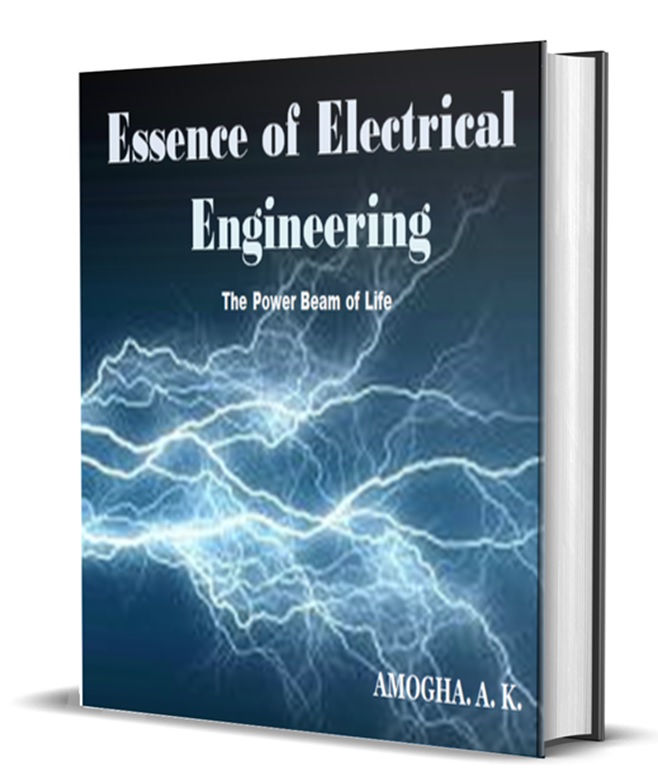
CIRCUIT SPARKS ELECTRICAL LAB

CIRCUIT SPARKS

Electrical Lab

Learn electrical engineering by changing real values. Explore power, energy, Ohm's Law, transformers and resistors through a simple interactive laboratory.
⚡ Interactive 📱 Mobile Friendly 🧮 Live Calculation 🎓 Educational

⚡ Arjun's Energy Desk

Change any value below. The electricity consumption and cost are calculated automatically.

Watts (W)

Hours per day

₹ per kWh / electricity unit

Volts (V)

Daily Energy Consumption
3.00 kWh/day
₹24.00 Daily Cost
₹720 Approx. 30-Day Cost
₹8,760 Approx. Yearly Cost
4.35 A Approx. Current
🤖
Maya: Electrical energy is power multiplied by time. Increase the appliance wattage, usage time or electricity tariff and watch the cost change immediately.

🔌 Ohm's Law Lab

Ohm's Law connects voltage, current and resistance.

V = I × R

Voltage

Voltage is the electrical potential difference that pushes charge through a circuit.

Unit: Volt (V)

Current

Current is the rate of flow of electric charge.

Unit: Ampere (A)

Resistance

Resistance opposes the flow of electrical current.

Unit: Ohm (Ω)

Example

For 12 V across a 6 Ω resistor:

I = 12 ÷ 6 = 2 A
💡
If resistance increases while voltage stays constant, current decreases.

⚙️ Transformer Lab

Transformers change AC voltage using electromagnetic induction.

V₂ / V₁ = N₂ / N₁

Step-Up Transformer

Secondary voltage is higher than primary voltage.

N₂ > N₁

Step-Down Transformer

Secondary voltage is lower than primary voltage.

N₂ < N₁
Transformers are widely used in power transmission and distribution systems to efficiently change voltage levels.

🟫 Resistor Lab

Resistors control current and divide voltage in electrical and electronic circuits.

Series

Rₜ = R₁ + R₂ + R₃

Resistances add together.

Parallel

1/Rₜ = 1/R₁ + 1/R₂ + 1/R₃

Total resistance becomes lower than the smallest individual branch resistance.

🔧
Resistor values are commonly represented using colour bands, numerical markings or printed codes.

🏆 Circuit Sparks Challenge

Test your electrical engineering basics.

A 1000 W appliance operates for 3 hours each day. How much electrical energy does it consume per day?
🎓
Formula: Energy (kWh) = Power (W) ÷ 1000 × Time (hours).
© Amogha A K. All Rights Reserved.

Comments

Popular posts from this blog

DARLINGTON TRANSISTOR